
Can Scleral Contact Lenses Help Patients With Severe Dry Eye?

Can Scleral Contact Lenses Help Patients With Severe Dry Eye?

Can Scleral Contact Lenses Help Patients With Severe Dry Eye?

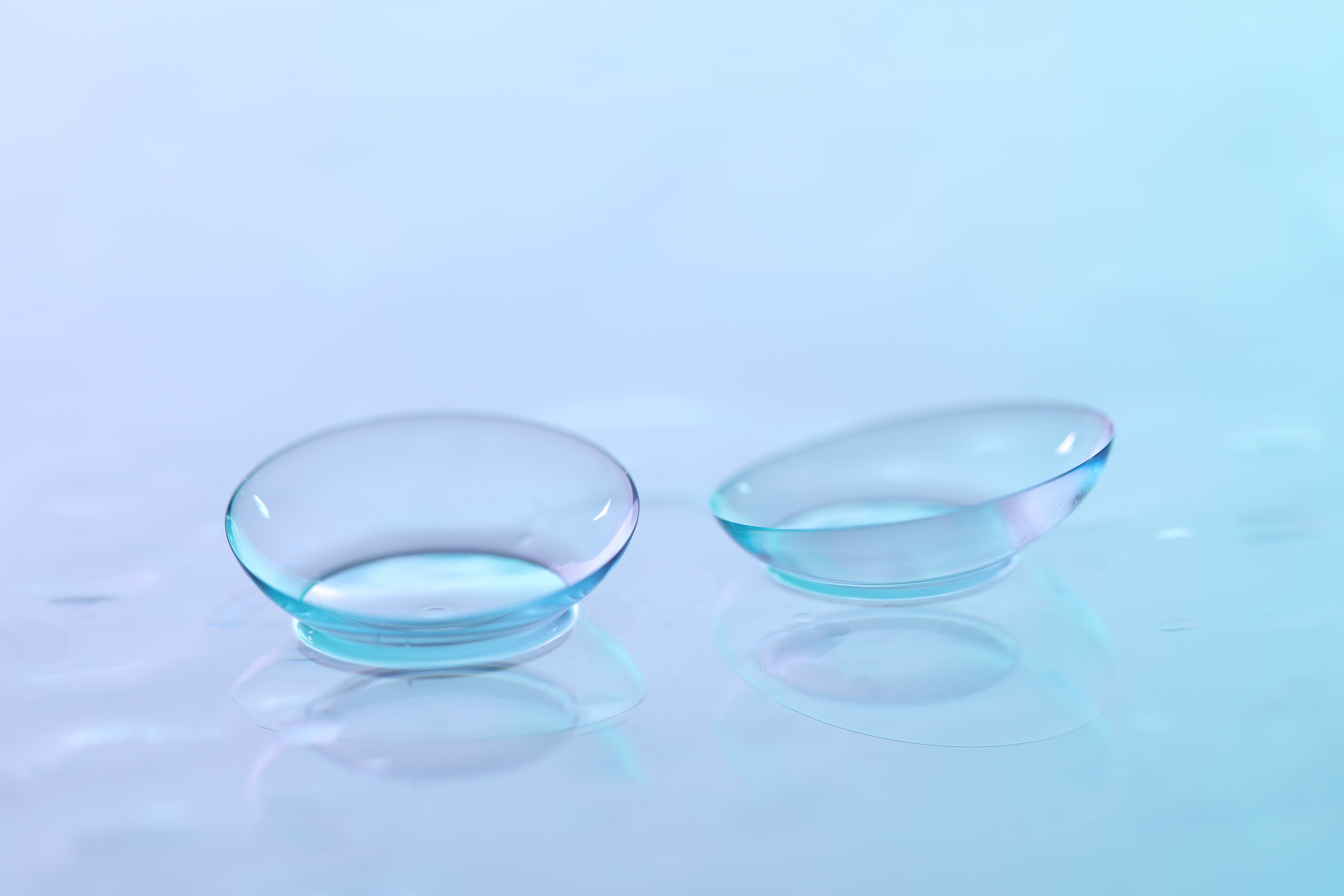
For patients with severe dry eye, even simple activities like reading or working on a computer can become uncomfortable. Burning, gritty sensations, and fluctuating vision may persist despite frequent use of artificial tears. When traditional treatments do not provide enough relief, scleral contact lenses may offer another option. At Gregg Family Eye Care, we help patients determine whether specialty contact lenses could improve their eye comfort and vision.
Why Severe Dry Eye Can Be Difficult to Manage
Dry eye occurs when tears are insufficient or unstable, leaving the eye's surface vulnerable to irritation. Some patients produce too few tears, while others experience rapid tear evaporation due to meibomian gland dysfunction.
Persistent dryness can cause blurred vision, light sensitivity, redness, and discomfort. While artificial tears and prescription medications can help manage symptoms, some patients need additional protection for their corneas.
Scleral contact lenses offer a different approach by maintaining a layer of fluid between the lens and the eye's surface.
How Do Scleral Contact Lenses Help With Dry Eye?
Unlike traditional soft contact lenses, scleral lenses are larger, rigid gas-permeable lenses that vault over the cornea and rest on the sclera, the white part of the eye.
Before insertion, each lens is filled with sterile, preservative-free saline. This creates a fluid reservoir that remains over the cornea during lens wear, helping maintain moisture and protect sensitive areas.
Because scleral lenses do not rest directly on the cornea, they may also provide greater comfort for patients who struggle with conventional contact lenses. These lenses can correct vision while supporting the ocular surface, although they do not cure the underlying dry eye condition.
Who Is a Good Candidate for Scleral Lenses?
Scleral lenses are not necessary for every patient with dry eye. However, they may be beneficial when symptoms remain significant despite other treatments.
Potential candidates include patients experiencing:
· Severe or chronic dry eye that interferes with daily activities
· Persistent irritation despite artificial tears or prescription treatment
· Corneal irregularities, such as keratoconus, combined with dry eye
· Difficulty wearing traditional soft contact lenses comfortably
· Certain ocular surface conditions requiring additional corneal protection
A comprehensive eye examination helps determine whether scleral contact lenses are appropriate based on the condition of your cornea, tear film, and overall eye health.
What to Expect During a Scleral Contact Lens Fitting
Scleral lenses require a specialized fitting process because each patient's eyes have unique measurements and needs. At Gregg Family Eye Care, we evaluate the eye's surface and determine the appropriate lens design. The goal is to achieve proper clearance over the cornea while ensuring a stable, comfortable fit.
Follow-up appointments allow us to assess lens performance and make adjustments when needed. We also provide guidance on proper insertion, removal, cleaning, and storage. Patients must follow recommended lens care instructions to reduce infection risks. Scleral lenses should not be worn while sleeping or exposed to water.
Are Scleral Lenses a Replacement for Dry Eye Treatment?
Scleral lenses can provide meaningful symptom relief for some patients, but they typically work best as part of a broader dry eye management plan.
Depending on the underlying cause, additional treatments may be needed to address inflammation, tear production, or meibomian gland dysfunction. Our team can evaluate your symptoms and recommend an individualized approach to managing persistent dry eye.
To find out whether scleral contact lenses could help relieve severe dry eye symptoms, schedule an evaluation with Gregg Family Eye Care in North Wales, PA, by calling (215) 699-2020.


© 2026 Gregg Family Eye Care. All rights Reserved. Accessibility Statement - Privacy Policy - Sitemap
Powered by:
