
Invisible Threats: Safeguarding Your Ocular Tissue from High Summer UV Indexes

Invisible Threats: Safeguarding Your Ocular Tissue from High Summer UV Indexes

Invisible Threats: Safeguarding Your Ocular Tissue from High Summer UV Indexes

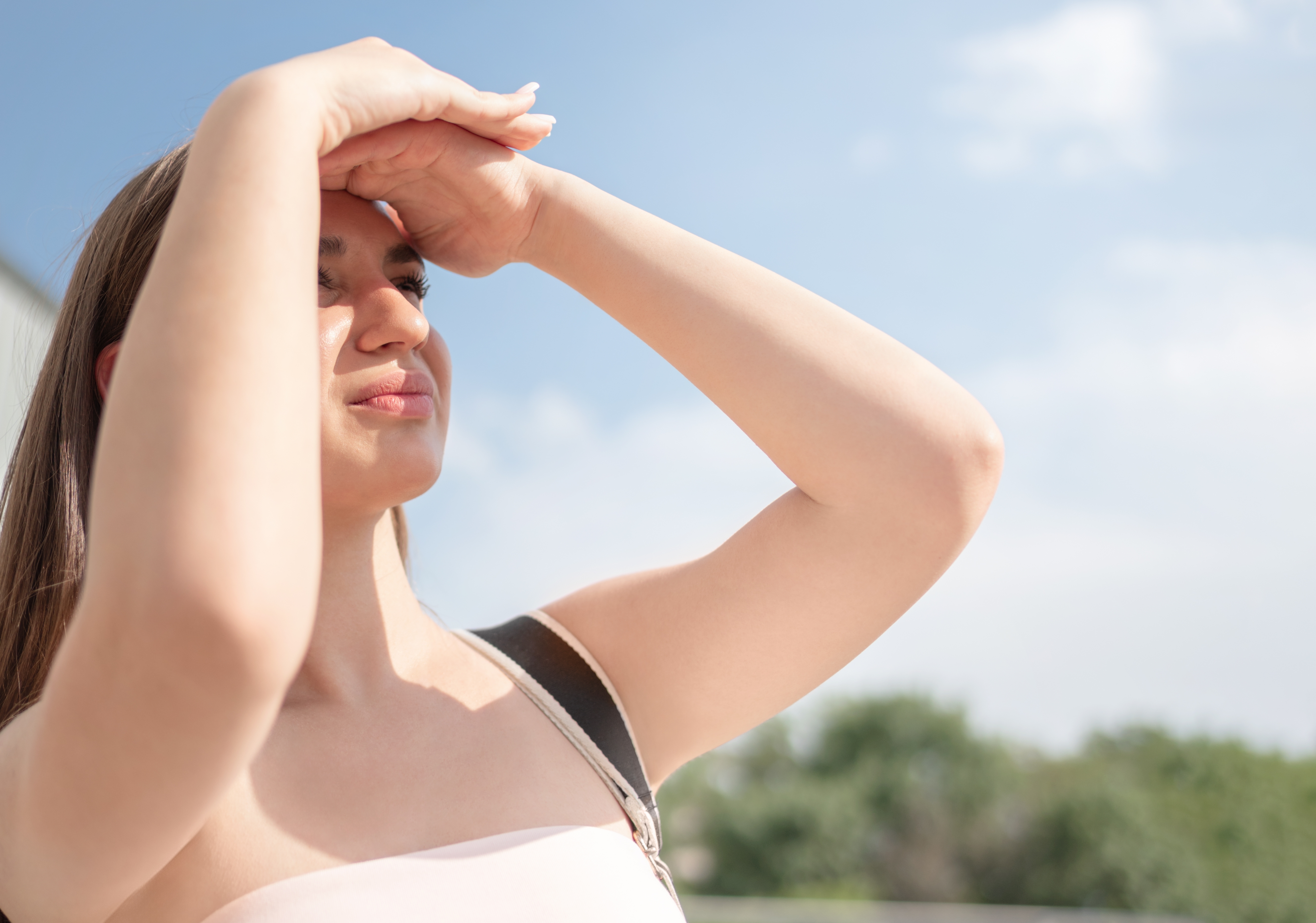
Summer sun can feel great, but high UV exposure can affect more than your skin. Your eyes and the delicate tissues around them are also vulnerable to ultraviolet radiation. Because UV damage is often invisible in the moment, many people do not realize the risk until irritation, vision changes, or long-term eye health concerns develop.
At Gregg Family Eye Care in Secane and North Wales, we help patients understand how to protect their eyes from seasonal UV exposure and maintain healthier vision year-round.
Why UV Protection Matters For Your Eyes
UV rays can reach the eyes on sunny, cloudy, and hazy days. In summer, longer daylight hours and more time outdoors can increase exposure. Light can also reflect off pavement, water, sand, and car windows, adding to the amount of UV that reaches the eye surface.
Over time, UV exposure may contribute to eye irritation, growths on the surface of the eye, cataracts, and changes that affect long-term vision. Protecting your ocular tissue is one of the simplest steps you can take to support eye health.
Ocular Tissue Is More Sensitive Than You Think
The eye is made up of delicate structures, including the cornea, conjunctiva, lens, retina, eyelids, and surrounding skin. These tissues help protect, focus, and process light. When exposed to intense UV radiation, they can become irritated or damaged.
Short-term exposure may cause redness, burning, light sensitivity, or a gritty feeling. Long-term exposure can create changes that develop slowly and may not cause obvious symptoms at first. That is why prevention matters, especially during high summer UV indexes in Pennsylvania.
Signs Your Eyes May Be Getting Too Much Sun
Not every symptom after sun exposure is harmless. If you spend time outside and notice discomfort, your eyes may need better protection. Watch for:
- Red or irritated eyes after outdoor activity
- Burning, stinging, or gritty sensations
- Light sensitivity
- Watery eyes
- Blurry or fluctuating vision
- Dryness that worsens after sun or wind exposure
- Eyelid tenderness or irritation
- Trouble seeing comfortably while driving in bright light
If symptoms continue or affect your vision, schedule an eye exam instead of relying only on drops.
Sunglasses Are Not Just A Style Choice
The right sunglasses are a key part of UV protection. Look for lenses that block 100 percent of UVA and UVB rays. Dark lenses alone are not enough. A lens can look dark and still fail to provide proper UV protection if it is not made with the right coating or material.
Wraparound styles or larger frames can offer added protection by reducing light that enters from the sides. For patients in Secane and North Wales who wear prescription glasses, prescription sunglasses or transition-style lenses may make daily protection easier.
Children Need UV Protection Too
Children often spend more time outside during summer, and their eyes also need protection. A hat and quality sunglasses can help reduce exposure during sports, camps, pool days, beach trips, and family outings.
Building the habit early makes eye protection feel normal. Just like sunscreen, sunglasses should be part of a child’s summer routine.
UV Protection And Daily Eye Care
UV protection works best when paired with regular eye exams. A comprehensive exam allows your optometrist to check the health of the cornea, lens, retina, and other eye structures. It also gives you a chance to ask which lens options make sense for your prescription, driving needs, outdoor activities, and lifestyle.
If you already have dry eye, allergies, or light sensitivity, summer sun and wind can make symptoms worse. Your eye doctor can help determine whether irritation is related to UV exposure, dryness, allergies, or another eye health concern.
Protect Your Eyes Before Damage Builds
High summer UV indexes can create risks that are easy to overlook. With quality sunglasses, a wide-brimmed hat, smart outdoor habits, and regular eye exams, you can reduce exposure and better protect your vision.
To schedule an eye exam or ask about UV-protective eyewear, contact Gregg Family Eye Care in Secane, PA at 1266 Providence Road, Secane, PA 19018, or call (610) 831-4300.


© 2026 Gregg Family Eye Care. All rights Reserved. Accessibility Statement - Privacy Policy - Sitemap
Powered by:
