
What Are the First Signs of Keratoconus?

What Are the First Signs of Keratoconus?

What Are the First Signs of Keratoconus?

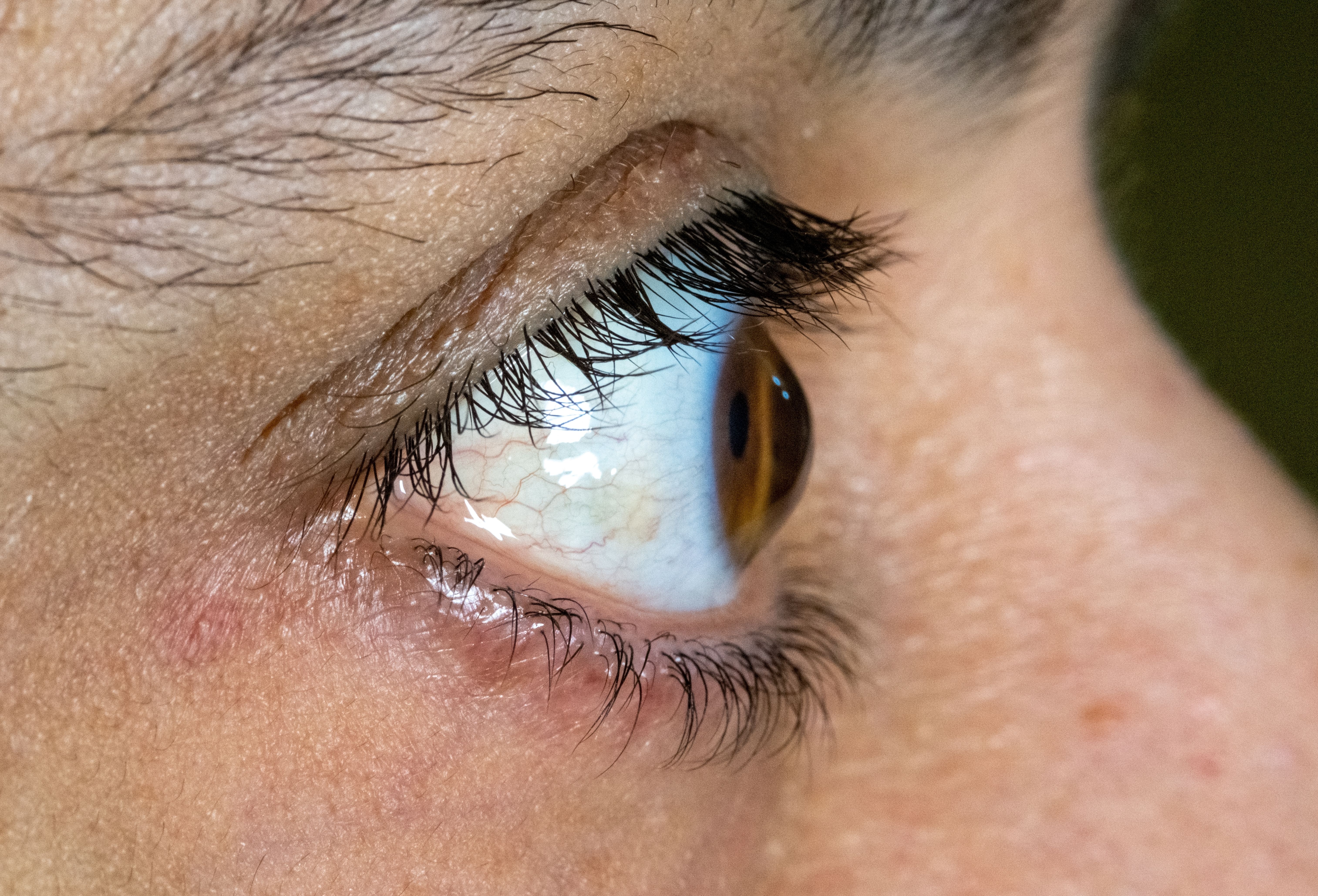
Keratoconus is a progressive eye condition that affects the structure of the cornea, the clear front surface of the eye. As the cornea gradually thins and bulges outward into a cone-like shape, it causes distorted and blurry vision. Because symptoms often begin subtly - frequently during the teenage years or early adulthood - many people assume they simply need a new glasses prescription.
At Gregg Family Eye Care, early detection is a priority. Recognizing the first warning signs of keratoconus can help protect long-term vision and open the door to effective treatment.
Early Signs and Symptoms
In its early stages, keratoconus may not cause dramatic vision loss. Instead, patients often notice gradual changes, including:
Blurred or distorted vision
Objects may appear stretched, shadowed, or slightly warped. Straight lines can look bent or uneven.
Increasing astigmatism
A rapidly changing or worsening astigmatism prescription is one of the most common early indicators. If your prescription shifts significantly from year to year, it may signal corneal instability.
Frequent prescription changes
If you’re updating your glasses often but still struggling to see clearly, it’s worth a closer evaluation.
Light sensitivity and glare
Headlights, bright sunlight, and digital screens may feel more uncomfortable than usual. Halos around lights are also common.
Difficulty seeing at night
Reduced clarity in dim lighting can be an early sign as the cornea becomes more irregular.
Eye strain or headaches
When the eyes work harder to focus, fatigue and tension headaches may develop.
Because these symptoms can resemble routine vision changes, comprehensive eye exams are essential for identifying the underlying cause.
Who Is at Risk?
Keratoconus can affect anyone, but certain factors increase the likelihood of developing the condition:
- A family history of keratoconus
- Chronic or vigorous eye rubbing
- Severe allergies or eczema
- Certain connective tissue disorders
Routine eye exams for teenagers and young adults are especially important, as early intervention can slow progression.
How Keratoconus Is Diagnosed
Basic vision screenings may not detect early keratoconus. Advanced diagnostic tools, such as corneal topography, create a detailed map of the cornea’s surface. This technology allows eye doctors to detect subtle thinning or irregularities before significant vision loss occurs.
At Gregg Family Eye Care, we use advanced imaging and precise measurements to evaluate corneal health and identify keratoconus as early as possible.
Treatment Options
While keratoconus is progressive, modern treatment options can help stabilize the cornea and improve visual clarity. The appropriate approach depends on severity and individual needs.
Corneal strengthening procedures
One minimally invasive treatment helps reinforce the cornea’s structure, slowing or halting progression by improving the stability of weakened tissue.
Specialty contact lenses
When glasses no longer provide clear vision, specialty lenses can create a smoother optical surface:
- Custom-designed soft lenses for mild to moderate cases
- Rigid gas permeable (RGP) lenses that mask corneal irregularities
- Piggyback systems combining a soft lens with a rigid lens for improved comfort
- Hybrid lenses with a firm center and soft outer edge
- Scleral and semi-scleral lenses that vault over the cornea and rest on the white of the eye for enhanced stability
Advanced or surgical solutions
In more advanced cases, options may include small corneal implants to reshape the eye, emerging topography-guided treatments, or corneal transplant surgery when other methods no longer provide adequate vision correction.
With the right care plan, many patients maintain functional vision and experience significant improvements in quality of life.
Why Early Detection Matters
Keratoconus often progresses gradually, but once thinning or scarring becomes advanced, treatment can be more complex. Identifying the condition early allows for stabilization strategies that may prevent long-term vision loss.
If you or your child are experiencing frequent prescription changes, distorted vision, or increased glare sensitivity, these symptoms should not be ignored.
Take Control of Your Eye Health at Gregg Family Eye Care
The first signs of keratoconus - subtle blurring, increasing astigmatism, light sensitivity, or frequent prescription updates - can be easy to overlook. However, early diagnosis makes a meaningful difference. With today’s advanced diagnostic tools and specialized treatments, keratoconus can often be managed successfully.
If you’ve noticed unusual changes in your vision or have a family history of keratoconus, contact Gregg Family Eye Care to schedule a comprehensive eye exam. Visit our office in Secane, Pennsylvania, or call (610) 831-4300 to book an appointment.


© 2026 Gregg Family Eye Care. All rights Reserved. Accessibility Statement - Privacy Policy - Sitemap
Powered by:
